"Preparation is the centrepiece"
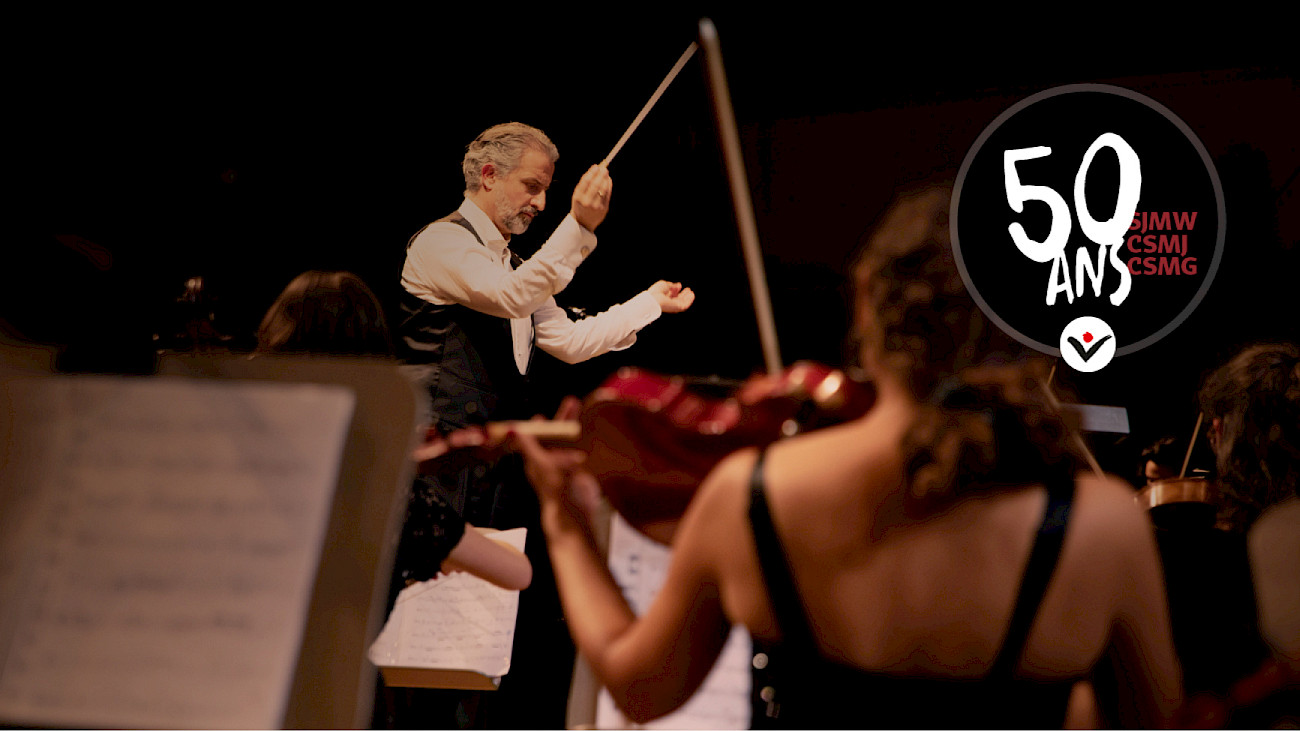
The Swiss Youth Music Competition (SJMW) is celebrating its 50th anniversary.
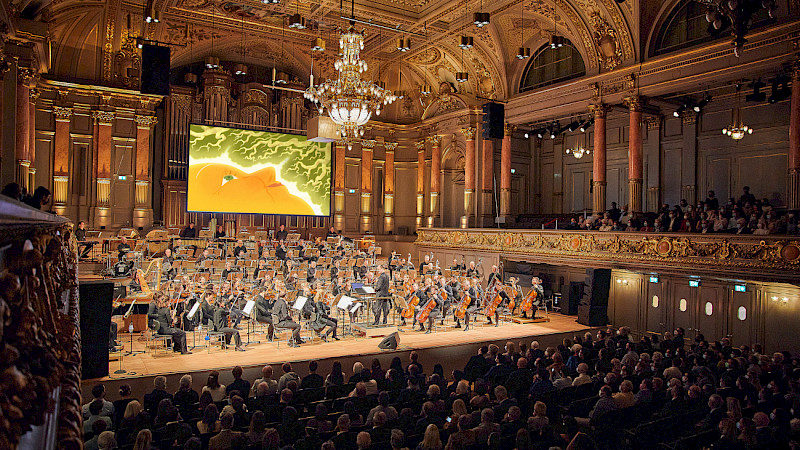
On Saturday, 13 September, the SJMW celebrates with a broad daytime programme and an anniversary concert in the evening. One current and three former participants explain how much the competition has influenced the musical biographies of children to this day.
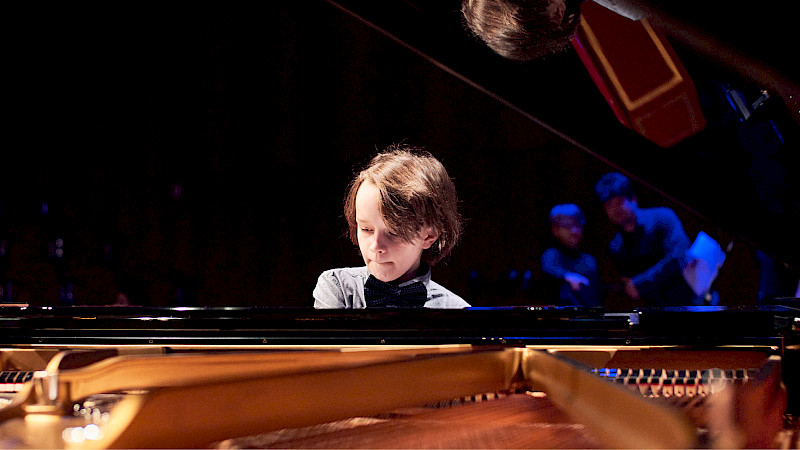
Erik Wüest, piano, electric piano, cello, composition
13 years old, pupil

"Music has always inspired me. I loved singing when I was little. The fact that I like classical music doesn't come from my parents. They prefer Bob Dylan or Led Zeppelin, which I also like.
I got a keyboard when I was seven and started playing without the help of a teacher. However, my parents convinced me to take lessons. After a year, I switched to the piano because I didn't like all the styles on the keyboard. While practising, I often asked myself why good pianists usually play pieces composed by others and not their own works. I started experimenting with sound sequences and then recording them on a computer programme. My first attempts were fairly simple, but as I progressed in my piano playing, the pieces became more extensive.
I wanted to learn more about string instruments through composing, so I also started playing the cello. I also play electric piano in a band for a change. However, I don't have much time to practise.
My former piano teacher drew my attention to the SJMW and at the age of ten I took part in the 'Composition' category. The second time I took part, I won first prize with honours. That was a special moment for me. This year I also took part in the 'Duo Chamber Music' category. I was particularly pleased that a composition of mine was played by the Camerata Zurich in the Tonhalle Zurich at the end of May.
For me, the SJMW is an opportunity to assess where I stand and to present my work. I also enjoy making music with others. I also got to know other cities such as La Chaux-de-Fonds and Lugano, which I really enjoyed.
At the moment, I don't feel like I want to become a musician, because as a computer scientist, for example, I could always pursue music as a hobby, but it would be more difficult the other way round."
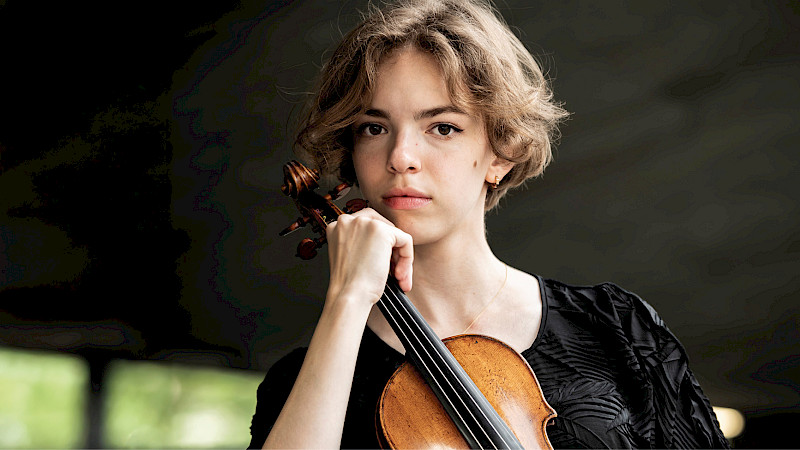
Ilva Eigus, violin
18 years old, PreCollege music student and violinist

"The SJMW is an annual celebration of music, and every young musician in Switzerland is aware of that. For me, the Entrada and final diplomas are not just awards, but an expression of belonging to a committed and inspiring community.
I took part for the first time in 2018, when I was ten years old. I still remember my very first performance with the Violin Concerto No. 3 by Camille Saint-Saëns and the 'Gavotte en Rondeau' from the E major Partita by Johann Sebastian Bach. I still have the CD of the prizewinners' concerto today.
The SJMW differs from other competitions in its variety of categories and age groups. Preparation is always the most important time. I have participated twice in the 'violin solo' category and twice in the duo with piano, most recently in 2023. All four participations were successful, with valuable and differentiated jury feedback.
I am very grateful to the SJMW that I was accepted into the Ruth and Ernst Burkhalter Foundation's sponsorship programme in 2022, which supported me in a crucial year. It is a special honour to premiere a work by Richard Dubugnon together with other soloists with the Tonhalle Orchestra Zurich on the occasion of its 50th anniversary."
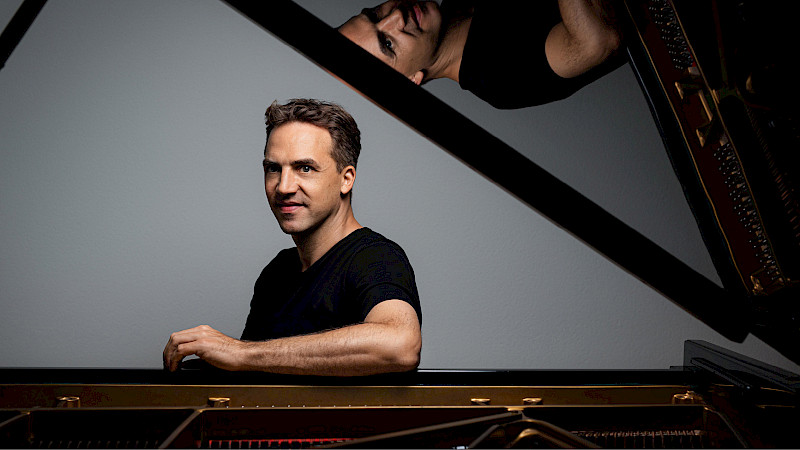
Benjamin Engeli, piano
47 years old, pianist

"I don't even remember how I became aware of the SJMW. It was 35 years ago now. in 1990, life was still analogue. My parents probably saw a poster or discovered an advert in the music magazine. At that time, I used to play four-hand piano with my brother from time to time, just for fun and without any ambitions. We entered the competition because we were keen to give another performance.
Winning the competition was a complete surprise for me. I had never practised seriously before or prepared seriously for a concert. The standard back then was also different to today. I was very grateful to the jury that they obviously prioritised potential over performance.
It was the starting signal for me to turn to music with greater ambition and clearer goals. I think my youth would have been different without this competition and the subsequent performance opportunities. Maybe I wouldn't have even studied music without the knowledge that I could compete with others."
Martin Frutiger, oboe
48 years old, solo English horn / 2nd oboe in the Tonhalle-Orchester Zürich
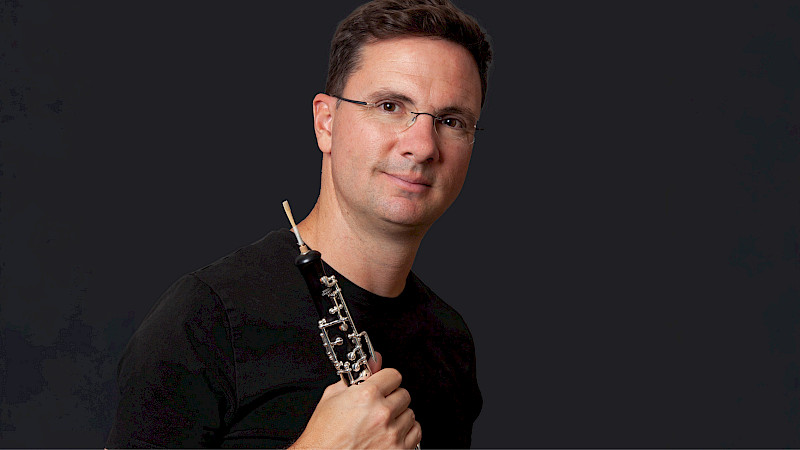
"I already loved making music as a child and was allowed to start playing my favourite instrument, the oboe, at the age of twelve. My career began in a somewhat provincial setting at the Burgdorf music school, at secondary school in Koppigen in an orchestra with 13 recorders and a cello and finally at the Burgdorf lower secondary school. I found out about the SJMW from a flyer in the music school and decided to take part in the competition.
I won first prize with honours. I remember exactly when that was: I turned 17 the day after the competition, so I wasn't that early. The feedback from my juror, Louise Pellerin, had a profound effect on me. She asked me: 'So you're going to be an oboist, are you? It was true: after taking part in the SJMW, I decided to become a professional musician because I realised that what I was doing was okay and that what I loved was good.
After my studies, in my mid-20s, I was asked to be a judge at a regional SJMW competition. That was a great honour for me. As a musician in the Tonhalle Orchestra Zurich, I then had further points of contact with the SJMW. The Tonhalle Society Zurich has a representative on the expert committee and also a member of the foundation board. Our former colleague, the flautist Janek Rosset, asked me if I would like to be a member of the commission, which decides on all musical matters. It is made up of around twelve musicians from all language regions and ensures that all jurors work according to the same guidelines. I can say that the feedback from the juries has improved a lot over the years. You can see this in the decreasing number of letters of complaint. When over 1000 young people take part in the competition over a weekend, it's a big challenge to ensure that everything runs fairly and correctly.
I have been an honorary member of the SJMW Foundation Board for several years. This is where operational decisions are made together with the management: funding, the direction of the future competition, the importance of rock, pop and jazz or the language region in which the final should take place.
Another exciting role is being the father of one and two participants. I tried not to push my children when preparing for the SJMW. The competition is first and foremost committed to promoting the general public and secondly to promoting top talent. This is also very important to me personally. As many young people as possible should be encouraged to practise and perform their playing, to meet and compete with others. Preparation is the key."
Recorded by Katharine Jackson
-

The SJMW as a springboard
Gerd Albrecht, the former chief conductor of the Tonhalle Orchestra Zurich, founded the SJMW in 1975 with the aim of finding and promoting musical talent. The encounters and exchanges with other young musicians from all over Switzerland confirmed the young musicians in their passion and encouraged them to continue on their artistic path.
Numerous former SJMW participants have gone on to become renowned artists. Some are now members of the Tonhalle Orchestra Zurich and are involved with the SJMW, such as Martin Frutiger.
Currently, over 1,500 musicians from all over Switzerland aged between eight and 20 take part in the competition in the categories 'Classica', 'Composition', 'Jazz&Pop' and 'FreeSpace'. This high number is proof that the SJMW is an integral part of the Swiss education and music landscape.
The history of the SJMW
1975: Foundation of the SJMW by the Tonhalle Society Zurich
Until 1999: The Tonhalle Society Zurich organises the competition.
1999: Establishment of a foundation under private law
2004: Establishment of the professional office
2008: Launch of the composition competition
2012: Launch of the 'Jazz&Pop' competition
2015: Concert matinée with renowned prizewinners to mark the 40th anniversary
2021: Launch of the 'FreeSpace' competition
2025: Celebration of the 50th anniversary with a broad programme at the Tonhalle Zurich (13 September)